Gov. Gavin Newsom declared a statewide state of emergency Monday, Sept. 21, before a single storm cloud formed over California.
The preemptive order mobilizes state agencies and resources ahead of what could be a historic El Niño season. NOAA forecasters project a 75% chance the 2026-2027 El Niño will become the strongest on record dating to 1950. Federal outlooks cited by the governor's office put the overall likelihood of a very strong event above 90%.
Ocean temperatures in the core tropical Pacific had already reached 3.05 degrees Celsius above baseline averages by Monday. That surpassed the previous record peak of 3.02 degrees set in late November 2015, Hoodline reported.
What the order unlocks
The proclamation directs state agencies to stage flood-fighting supplies, pre-position equipment and fast-track permitting for local flood and landslide preparation, according to the governor's office. Specific actions include:
- The Department of Water Resources will pre-position sandbags, high-capacity pumps and flood-fighting materials.
- Caltrans will stage traffic-control, road-closure and snow-removal equipment along the most vulnerable highways.
- The California National Guard is being readied for flood response, search-and-rescue and logistics missions.
- State environmental agencies will fast-track permitting to cut red tape for local preparedness projects.
State officials said four million sandbags and 400,000 tons of rock are available and ready to move to affected areas, Fox 5 San Diego reported. The state also plans to expand multilingual public messaging about severe weather, flooding, power outages and evacuation readiness.
Cal OES Director Caroline Thomas Jacobs said the state is not waiting for storms to arrive before acting. She said early coordination is meant to ensure first responders have the personnel and equipment they need, according to KTLA.
What it means for Murrieta and Riverside County
Riverside County's Emergency Management Department has already held El Niño briefings with the National Weather Service to discuss potential storm impacts, the Press-Enterprise reported. County spokesperson Shane Reichardt called flooding the county's most persistent threat.
"Flooding is probably the most consistent disaster that Riverside County faces," Reichardt said. "It causes the most economic impacts."
The county's Flood Control Department and Transportation and Land Management Agency have held community meetings on El Niño preparedness, according to Reichardt. Past flooding has hit the Coachella Valley, Jurupa Valley and Palm Desert especially hard.
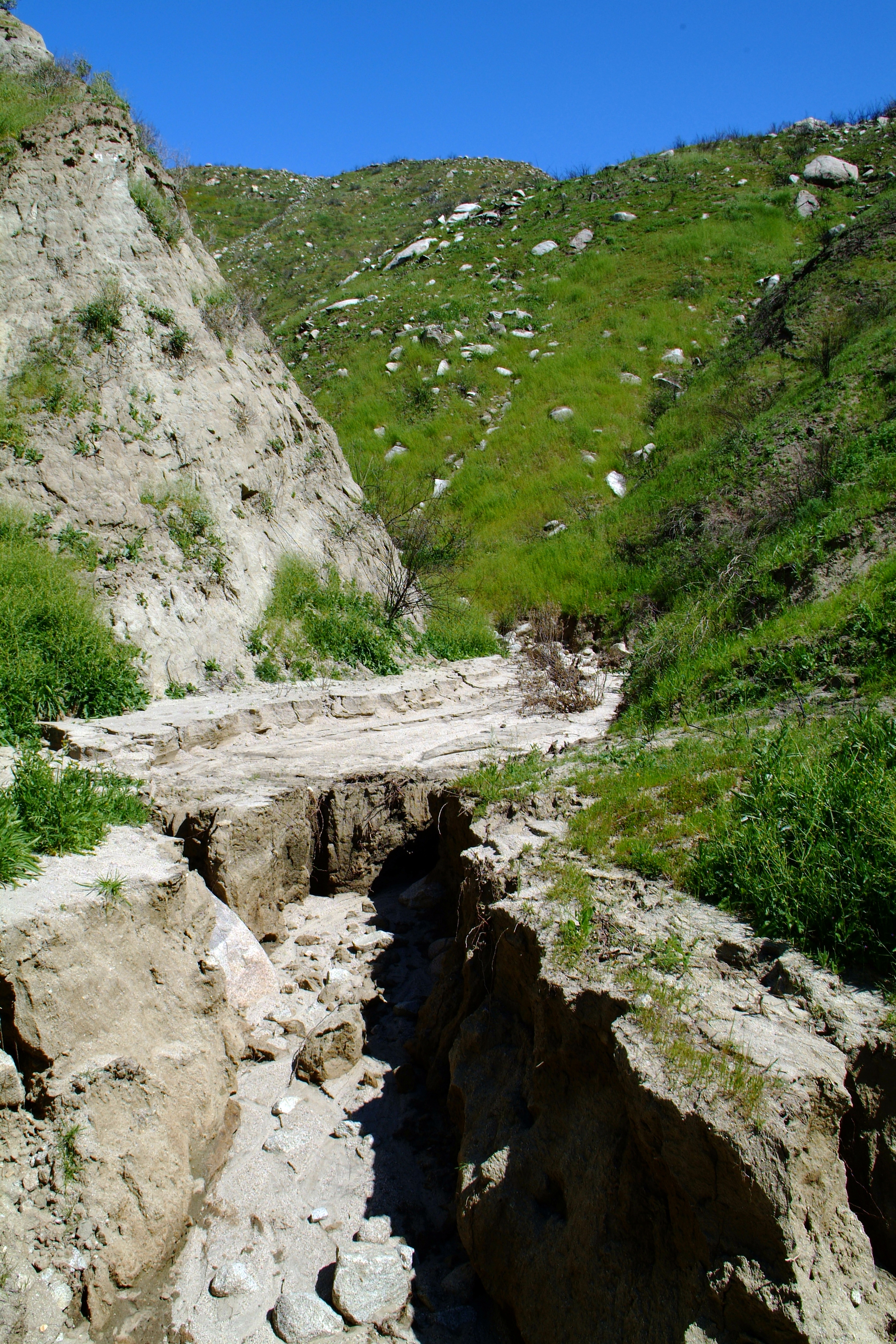
Heavy rain also raises the risk of landslides and debris flows in areas burned by recent wildfires, according to the governor's office. During the February 1998 El Niño storms, 17 people died statewide from rainstorms, mudslides, floods and fallen trees, and that month set precipitation records at 19 California weather stations, according to the Press-Enterprise.
El Niño is expected to keep intensifying through the end of the year.
How Murrieta-area residents can prepare
Reichardt urged homeowners to check their insurance policies. Flood damage is not typically covered by standard homeowners insurance, and flood coverage takes about 30 days to take effect.
Riverside County residents, including those in Murrieta, can find and fill sandbags at most county fire stations. Locations are listed at rivcoready.org, the county's emergency preparedness site.