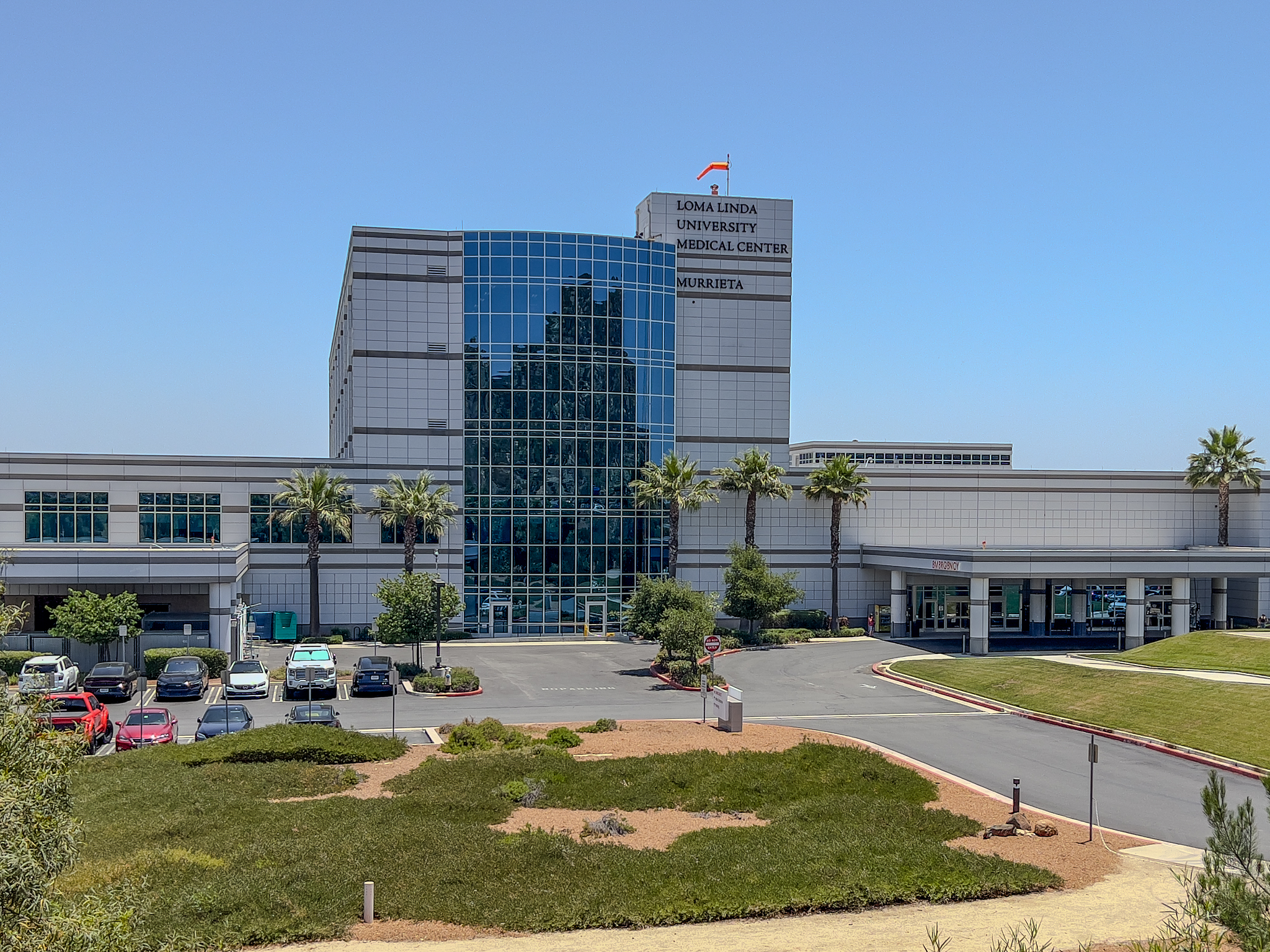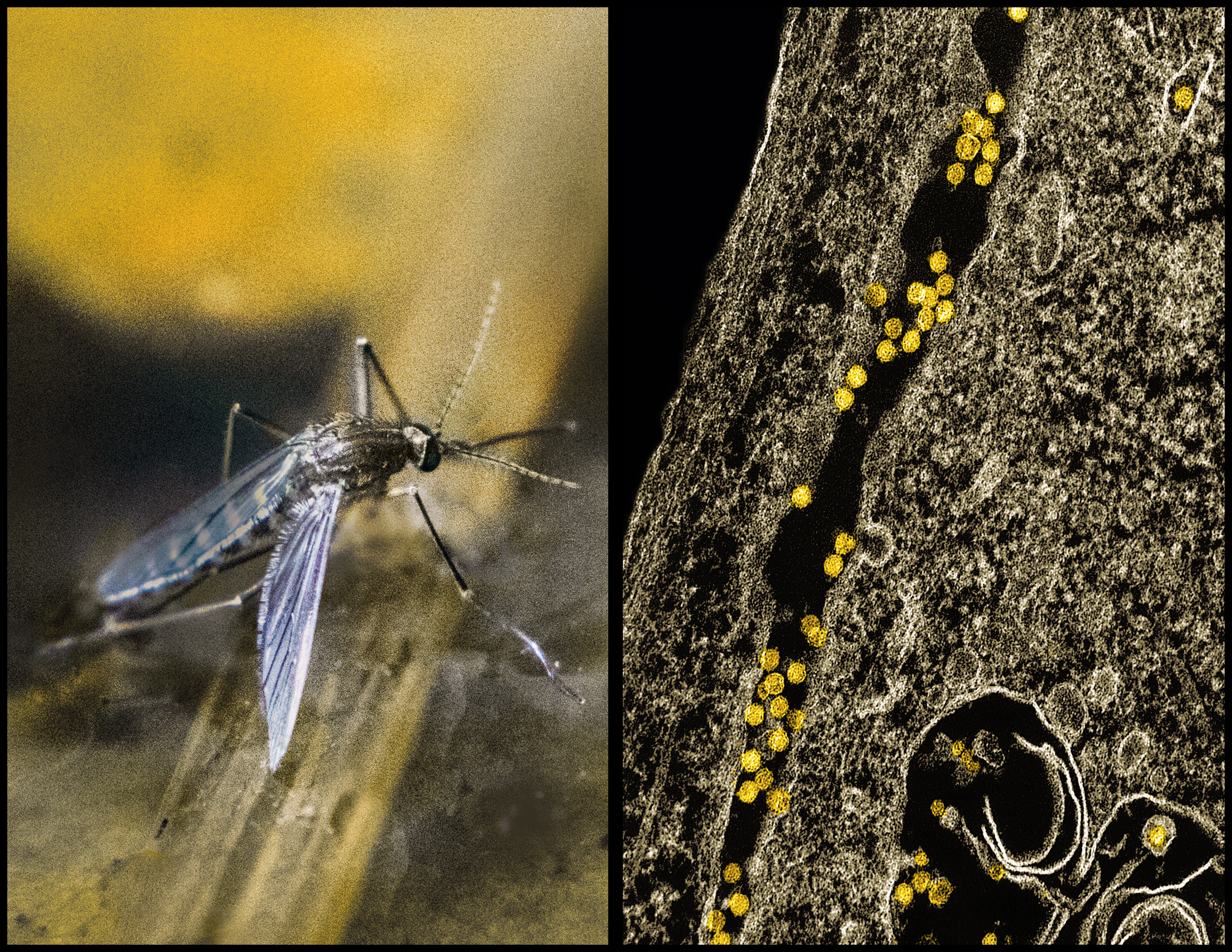
West Nile virus has been detected in mosquitoes, birds and humans across Riverside County, including near Murrieta. California is on track for its deadliest West Nile year in two decades.
The CDC reported 1,328 West Nile virus cases nationwide in its latest data, with 310 in California, Patch reported Oct. 17. Those figures are preliminary and could rise.
Riverside County has documented three human infections, 71 positive mosquito samples and 13 virus-positive dead birds during the 2026 season, according to a Patch report on Riverside County spraying. One of those dead birds was found near Spencer's Park in the unincorporated area of Murrieta, according to a Patch report on Lake Elsinore-area advisories. The state's West Nile virus tracking portal lists one virus-positive dead bird in Murrieta for 2026.
In 2025, Riverside County recorded just one human West Nile infection. That patient recovered.
Southern California deaths climb
The surge extends beyond Riverside County. Orange County confirmed its first West Nile-related deaths of the year on Sept. 29, KTLA reported. The victims were older adults. The county has confirmed 36 infections in 2026.
"This year has been particularly intense, with detections of the virus in humans, mosquitoes, and birds," Orange County Health Officer Dr. Regina Chinsio-Kwong said in a statement. "The recent fatalities show how serious and harmful WNV can be."
Los Angeles County reported 100 cases and five deaths by Sept. 18, compared with 22 cases and two deaths during all of 2025, according to the Los Angeles Times, as cited by Patch. Statewide, 19 infections have resulted in deaths. None occurred in the Inland Empire.
Why mosquitoes are thriving
Unusually warm and humid conditions have helped mosquitoes thrive across Southern California, the Los Angeles Times reported, as cited by Patch. Higher humidity can allow infected mosquitoes to survive longer and spread the virus to more people.
July was the warmest month recorded in the contiguous United States since recordkeeping began in 1895, according to the National Oceanic and Atmospheric Administration (NOAA). Warm weather can speed mosquito development, increase biting and shorten the time the virus needs to become transmissible inside a mosquito.
Mosquito season does not end until the first hard frost, which in California falls between late November and mid-December, according to Patch.
Riverside County responds
County vector control officials conducted truck-mounted mosquito spraying across roughly 300 acres in Nuevo during the week of Oct. 5 after mosquito pools tested positive. Department spokeswoman Sandi Salas confirmed the positive test results raised concerns about transmission.
Riverside County Supervisor Yxstian Gutierrez called the spraying a step toward reducing the risk of West Nile transmission. He urged residents to prevent mosquito bites and remove standing water around their homes.
Riverside County Vector Control provides services to Murrieta, Temecula, Menifee and several other contract cities, according to the county's Department of Environmental Health.
How to protect yourself
No human vaccine or antiviral treatment exists for West Nile virus. Most infected people never develop symptoms. About 20 percent develop fever and flu-like symptoms. Fewer than 1 percent develop severe illness affecting the brain or nervous system, according to the CDC. About 10 percent of those with severe neuroinvasive disease die.
People over 50 and those with underlying medical conditions face the highest risk.
Health officials recommend emptying standing water from birdbaths, flowerpots, pet bowls and buckets weekly. Residents should repair window and door screens, wear long sleeves and pants outdoors, and use EPA-registered insect repellents containing DEET, picaridin, IR3535 or oil of lemon eucalyptus.
Anyone who develops high fever, severe headache, neck stiffness, confusion or muscle weakness after mosquito exposure should seek medical attention.
Residents can report mosquito problems or request free mosquito-eating fish by calling Riverside County Vector Control at 951-766-9454 or visiting rivcoeh.org/vector-control.